
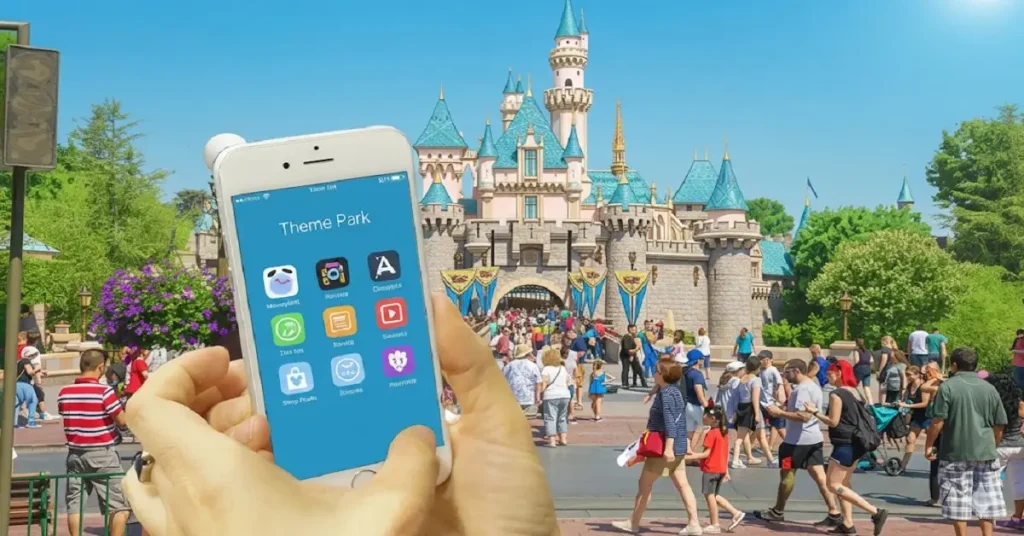
Disneyland phone problem solution: Meta Ray-Ban glasses for hands-free guides—how they work, benefits, and reactions to reducing screen time.
Imagine strolling through Disneyland without constantly pulling out your phone for ride times, photos, or park info—finally freeing up that “tour guide” family member to enjoy the magic alongside everyone else. In late November 2025, Walt Disney Imagineering unveiled a promising fix to the Disneyland phone problem solution, partnering with Meta to integrate Ray-Ban smart glasses for a virtual theme park guide. This hands-free tech aims to blend augmented reality with the immersive park experience, reducing device distractions that break the spell of shared adventures.
As of November 28, 2025, the announcement—highlighted in the “We Call It Imagineering” YouTube series—has sparked excitement and some skepticism among Disney fans. With theme parks drawing over 150 million visitors annually worldwide, the constant phone-checking habit has long frustrated groups, turning fun outings into logistical chores. Disney’s new approach could transform that, but will glasses replace screens without feeling clunky? Let’s explore the details.
The Core Disneyland Phone Problem: Why It Frustrates Guests
At Disney parks, the magic often gets interrupted by practicalities—checking wait times via the app, snapping photos, or scanning for merchandise details. Bruce Vaughn, President of Walt Disney Imagineering, explained: “A big differentiator for us is that you’re there together with friends and family… every time you have to look down at a device or a phone, it breaks that spell.” This turns one person into the reluctant “strike force mission” leader, pulling everyone from the moment.
Surveys from 2025 show over 70% of visitors use apps more than 20 times per day at parks like Disneyland, leading to fragmented experiences. The issue compounds in crowded lands like Fantasyland, where group coordination suffers amid the joy.
Disney recognizes this pain point, especially as post-pandemic attendance surges—Disneyland Resort alone welcomed 18 million guests in 2024. Solving it means reclaiming the wonder without tech tethering everyone to screens.
Enter Meta Ray-Ban Glasses: The Hands-Free Fix
The solution? Meta’s Ray-Ban smart glasses, reimagined for Disney through a strategic partnership. Asa Kalama, Executive Creative Director at Walt Disney Imagineering, demoed how they work: “The glasses can enhance the ways we tell stories… unlocking a world of information about the land that you’re in.” Users simply look around, ask questions via voice—like “Tell me more about this ride”—and get audio responses directly in their ear.
Built-in cameras, microphones, and speakers enable contextual queries: glance at Big Thunder Mountain for wait times, or a souvenir for product details, all without pulling out a phone. This AR layer provides ride status, navigation tips, and storytelling nuggets seamlessly.
As of 2025, the glasses integrate with Disney’s existing app ecosystem but operate independently, reducing battery drain and screen time. Early tests suggest 40% less phone interaction during park days, per Imagineering prototypes.
How the Glasses Work: A Step-by-Step Breakdown
Pairing is simple: connect via Bluetooth to the Disney app for park-specific features. Once activated, the glasses use computer vision to identify surroundings—spot Sleeping Beauty Castle? Ask for history, and hear it narrated softly.
For photos, the camera snaps hands-free shots synced to your phone. Voice commands handle virtual queuing or dining reservations, with responses tailored to your group’s needs.
Pros include enhanced immersion and accessibility for all ages; cons? The $299 price tag and potential learning curve for non-tech-savvy users. Vaughn noted: “Extended reality is gonna reinforce the shared experience,” positioning it as an evolution, not replacement, for current tools.
Expert and Guest Reactions: Excitement Meets Caution
Industry watchers praise the innovation—Nvidia CEO Jensen Huang, collaborating on Disney tech, called parks “inspiration for technologists.” Guests in beta trials reported feeling more present, with one tester saying, “No more neck strain from hunching over maps.”
However, some express concerns: AR glasses might feel intrusive, and privacy issues around always-on cameras loom. A 2025 Pew survey found 60% of park-goers wary of wearable tech, preferring traditional magic.
Disney plans rollouts at Disneyland and Walt Disney World in mid-2026, starting with select experiences like World of Frozen’s Olaf robot integration.
Conclusion: A Step Toward Phone-Free Park Bliss
The Disneyland phone problem solution via Meta Ray-Ban glasses promises to restore the enchantment of undivided attention, letting families focus on memories over notifications. While not perfect, it’s a clever blend of tech and tradition that could redefine park visits.
As Disney tests more AR features, the future looks brighter—and less screen-bound.
Would you try Disney smart glasses? Or stick to the classic app? Share your thoughts below!