
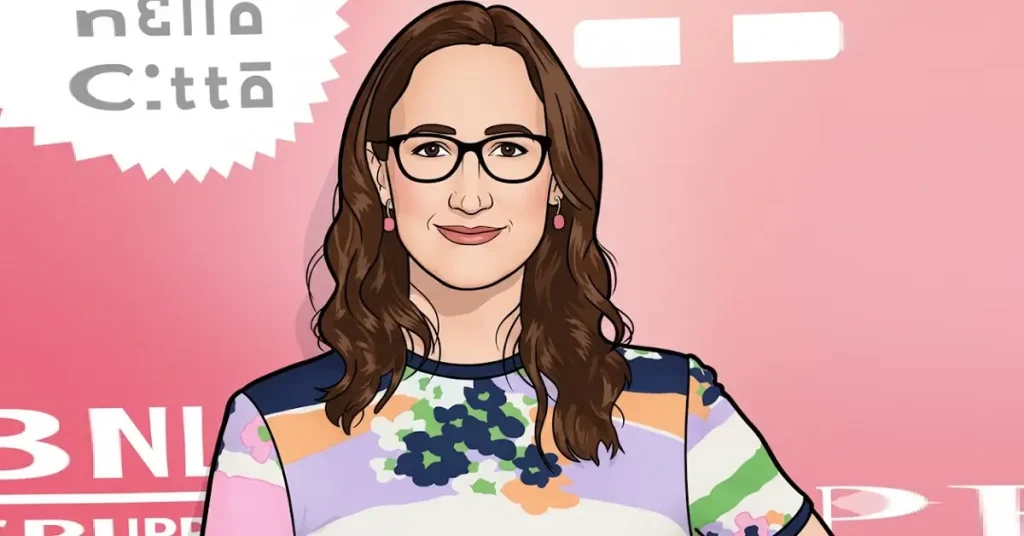
Who is Sophie Kinsella? The Shopaholic author (real name Madeleine Wickham) died at 55 on Dec. 10, 2025, from brain cancer.
The literary world is in mourning following the death of Sophie Kinsella, the bestselling British author behind the globally adored Shopaholic series, who passed away on December 10, 2025, at the age of 55. Known for her witty, relatable tales of modern women navigating love, career chaos, and impulsive shopping sprees, Kinsella’s sudden loss from brain cancer has left millions of readers devastated, prompting tributes that celebrate her as a pioneer of feel-good fiction with emotional depth.
Her passing, after a private three-year battle with the disease, underscores the fragility of life even for those who brought joy to so many, and highlights the importance of early detection in aggressive cancers that often evade initial screening.
Who Is Sophie Kinsella? From Financial Journalist to Bestselling Author
Born Madeleine Sophie Wickham on December 12, 1969, in London, Sophie Kinsella adopted her pen name in 2000 to distinguish her lighthearted romantic comedies from her earlier, more serious works. Raised in a supportive family that encouraged her storytelling, Wickham graduated from New College, Oxford, with a degree in politics, philosophy, and economics before diving into a career as a financial journalist at Taylor Wessing and later the Daily Telegraph.
Her literary debut came in 1995 as Madeleine Wickham with “The Tennis Party,” a domestic drama that climbed to the top 10 bestsellers list and earned critical praise for its sharp social observations. She followed with six more novels under that name, exploring themes of class, marriage, and ambition. But it was the launch of the Shopaholic series under the Kinsella pseudonym that catapulted her to international fame. The inaugural book, “The Secret Dreamworld of a Shopaholic” (2000), introduced the irrepressible financial journalist Becky Bloomwood, whose addiction to retail therapy resonated with readers worldwide, selling millions and spawning nine sequels.
Over her career, Kinsella penned 18 books in total, including standouts like “Can You Keep a Secret?” (2003), a tale of blurted confessions, and “The Undomestic Goddess” (2005), about a high-powered lawyer turned accidental housekeeper. She also ventured into young adult fiction with “Finding Audrey” (2015) and children’s stories like the Fairy Mom and Me series. Her works have sold over 50 million copies, translated into more than 40 languages and published in 60 countries, with the first two Shopaholic novels adapted into the 2009 film “Confessions of a Shopaholic” starring Isla Fisher. For aspiring writers blending humor with heart, a practical tip: draw from everyday absurdities—Kinsella often mined her own shopping mishaps for Becky’s antics; start a journal of relatable “what if” scenarios to infuse authenticity and keep characters vividly human.
Why Did She Die at 55? A Private Battle with Brain Cancer
The shocking brevity of Kinsella’s life stems from an aggressive form of brain cancer diagnosed in 2022, which she fought with remarkable courage and privacy until her peaceful passing this morning, surrounded by family. Details emerged through a poignant family statement posted on her Instagram: “We are heartbroken to announce the passing this morning of our beloved Sophie (aka Maddy, aka Mummy). She died peacefully, with her final days filled with her true loves: family and music and warmth and Christmas and joy. We can’t imagine what life will be like without her radiance and love of life.”
Despite the illness, Kinsella channeled her experience into her final work, the October 2024 novella “What Does It Feel Like?,” a witty yet profound reflection on living with cancer post-surgery. The family noted her gratitude: “Despite her illness, which she bore with unimaginable courage, Sophie counted herself truly blessed—to have such wonderful family and friends, and to have had the extraordinary success of her writing career. She took nothing for granted and was forever grateful for the love she received.”
Brain cancer, particularly glioblastoma like the type Kinsella likely faced, remains one of medicine’s toughest challenges, with survival rates averaging 12-18 months post-diagnosis due to its rapid growth and the blood-brain barrier’s resistance to treatments. In 2025, advances like immunotherapy trials offer glimmers of hope, but early symptoms—headaches, seizures, cognitive changes—are often mistaken for stress, delaying intervention. For those concerned about neurological health, a practical tip: monitor persistent changes like unexplained fatigue or vision shifts with a primary care visit—start with baseline cognitive screenings via apps like BrainCheck, empowering proactive steps in an era where AI-assisted diagnostics are accelerating personalized care.
Her Lasting Legacy: Elevating Chick Lit to Global Phenomenon
Kinsella’s influence on contemporary fiction is indelible; her publisher Transworld described her as someone who “defined and elevated romantic comedy by populating her stories with real-life issues that combined wit, emotional depth and societal insight.” Fans on social media have flooded platforms with memories, from Becky’s credit card escapades mirroring millennial debt woes to the empowering undertones of self-forgiveness in her heroines’ journeys. Celebrities like Reese Witherspoon and Mindy Kaling have cited her as inspiration, while the Shopaholic series continues to top resale charts and spawn fan podcasts dissecting its timeless appeal.
Married to Henry Wickham since 1991, Kinsella leaves behind five children and a husband who supported her dual writing life. Her unpretentious voice—rooted in British understatement yet universally relatable—transformed “chick lit” from a dismissed genre into a powerhouse of empathy and escapism. In a publishing landscape dominated by thrillers and fantasy in 2025, her emphasis on flawed, fabulous women endures as a blueprint for inclusive storytelling. For book club organizers or readers seeking uplift, a practical tip: pair her works with discussion prompts on financial vulnerability—Kinsella’s Becky arc sparks conversations on consumerism; begin with group reads of “I’ve Got Your Number” to blend laughs with life lessons on digital dependency.
Sophie Kinsella’s untimely death at 55 robs the world of more stories from a master of mirthful mayhem, but her books ensure her spirit endures on every page. How has her work touched your life, or which Shopaholic moment makes you smile most? Share in the comments below, and explore her catalog on platforms like Audible for narrated gems that capture her sparkling prose.