
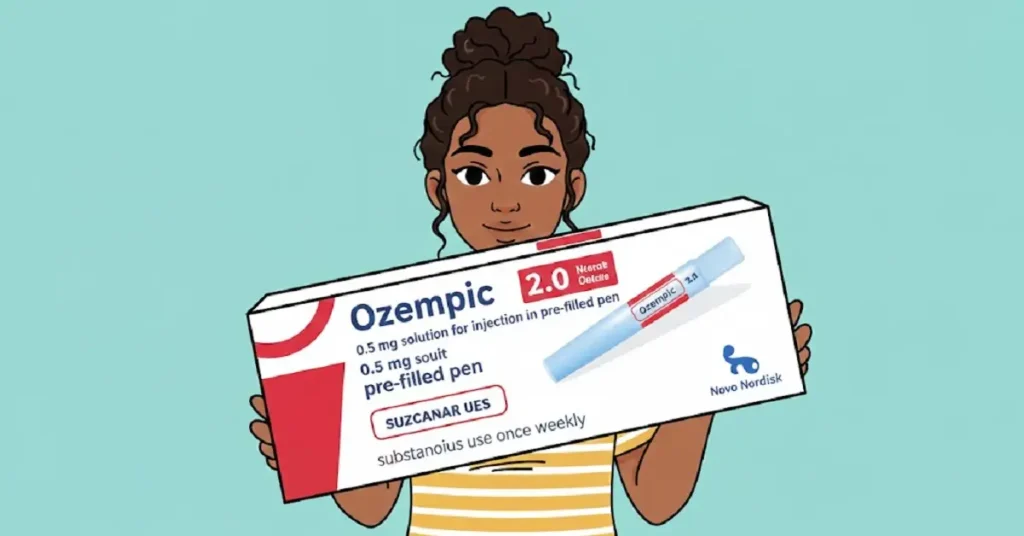
What is Ozempic 2.0? Discover how new GLP-1 daily pills, monthly shots, and triple-hormone drugs could deliver 24% weight loss with fewer side effects starting 2026.
The weight loss world is on the cusp of a major shift in late 2025, with the next wave of GLP-1 drugs—often dubbed Ozempic 2.0—promising easier administration, stronger results, and fewer drawbacks than today’s injections. These advancements include daily oral pills, monthly shots, and multi-hormone therapies that could push average weight loss beyond 20% while preserving muscle and reducing side effects. As current drugs like Ozempic and Wegovy face supply shortages and high costs, these innovations from Novo Nordisk, Eli Lilly, and others are entering late-stage trials, with approvals potentially starting in 2026.
For anyone who’s struggled with weekly injections or nausea from semaglutide, Ozempic 2.0 represents real hope. Early data shows some candidates delivering up to 24% body weight reduction in under a year—approaching bariatric surgery levels—without the same gastrointestinal burden. Let’s explore what these upgrades mean, how they work, and when patients might access them.
What Exactly Is Ozempic 2.0?
Ozempic 2.0 refers to the evolving generation of GLP-1 receptor agonists and related compounds that build on semaglutide’s success. While original Ozempic mimics one hormone (GLP-1) to control blood sugar, suppress appetite, and slow digestion, the new versions target multiple pathways simultaneously or improve delivery methods.
Key categories include:
- Daily oral pills (no refrigeration or needles)
- Monthly or less-frequent injections
- Triple-agonist drugs hitting GLP-1, GIP, and glucagon or amylin
- Combinations designed to protect muscle mass
As of 2025, these drugs remain in phase 3 trials or regulatory review, but mid-stage results have investors and obesity specialists excited. The goal? Make treatment more patient-friendly while boosting efficacy and long-term health outcomes.
Oral GLP-1 Pills: The Game-Changer Everyone’s Waiting For
The biggest complaint about current GLP-1 drugs is the weekly injection. Both Novo Nordisk and Eli Lilly are racing to bring high-dose oral semaglutide alternatives to market, with pills that deliver comparable results without needles.
Early trials of these daily tablets show 11-15% average weight loss over a year—slightly less than injectable versions (15-20%) but with dramatically better adherence. No refrigeration needed, easier distribution in developing countries, and potentially lower manufacturing costs could slash prices significantly.
Experts note that oral options may expand access for the estimated 650 million adults worldwide with obesity who currently avoid injectables. Insurance coverage is also expected to improve once pills hit pharmacy shelves, likely starting late 2026.
Monthly Shots and Triple-Hormone Drugs: Pushing Weight Loss Further
While pills eliminate needles, some patients prefer less frequent dosing. Several companies are developing monthly GLP-1 injections, with one biotech (recently acquired for billions) showing promising mid-stage data for sustained release formulations.
The real breakthrough, though, comes from multi-hormone approaches. Eli Lilly’s triple-agonist candidate achieved over 24% body weight reduction in phase 2 trials—surpassing anything currently available. By activating GLP-1, GIP, and glucagon receptors simultaneously, these drugs burn fat more aggressively while preserving lean muscle better than single or dual-agonist options.
Another promising path combines semaglutide with amylin (a hormone that further controls appetite and digestion). Early results suggest around 20% weight loss with significantly reduced nausea and vomiting—the main reason patients quit current treatments.
Benefits vs Challenges of Ozempic 2.0 Drugs
Pros:
- Greater average weight loss (up to 24-25% in trials)
- Better muscle preservation for healthier long-term outcomes
- Reduced gastrointestinal side effects in combinations
- Easier administration (pills or monthly shots)
- Potential for lower costs and wider access
Challenges remaining:
- Still in clinical trials—final safety data pending
- High doses may increase side effects for some
- Long-term effects on muscle mass and metabolism need more study
- Pricing and insurance coverage uncertain until approval
As of 2025, the FDA and EMA are prioritizing these applications given the global obesity crisis affecting over 1 billion people.
When Will Ozempic 2.0 Actually Be Available?
First oral GLP-1 pills from major manufacturers could gain approval as early as mid-2026. Monthly injections and triple-agonist drugs may follow in 2027-2028, pending phase 3 results expected throughout 2026.
Supply constraints that plagued Ozempic and Wegovy launches should be less severe this time, with companies scaling manufacturing aggressively. Compounded versions of current drugs will likely face stricter regulation once branded next-gen options arrive.
Conclusion: The Future of Weight Loss Treatment Is Almost Here
Ozempic 2.0 isn’t just an upgrade—it’s potentially the biggest leap in obesity medicine since GLP-1 drugs first appeared. With pills eliminating injection barriers, monthly dosing improving adherence, and multi-hormone therapies delivering surgery-like results with fewer side effects, millions more people may finally access effective, sustainable weight loss.
Whether you’re considering treatment now or waiting for these advancements, the landscape is changing rapidly. Current drugs remain excellent options, but 2026-2027 could mark the beginning of truly transformative obesity care.
Have you tried GLP-1 drugs already, or are you holding out for the pill versions? Share your experience below—many readers are making the same decision!