
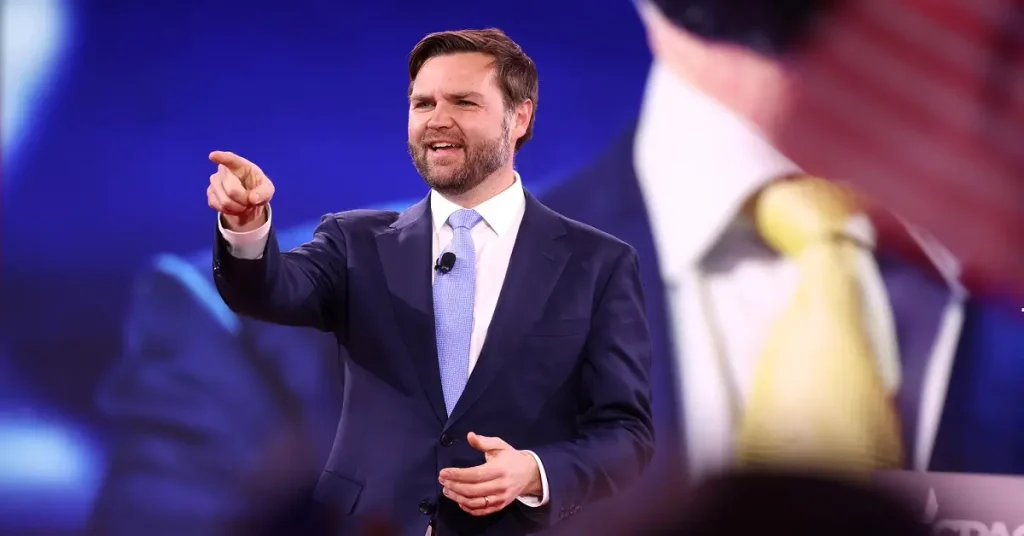
Is VP JD Vance a conspiracy theorist? ‘I only believe in the conspiracy theories that are true.’ Analysis of his statement and implications.
Vice President JD Vance has once again found himself at the center of controversy over his stance on conspiracy theories, following a video statement where he declared, “I only believe in the conspiracy theories that are true.” As of December 17, 2025, this remark has trended on social media, with #VanceConspiracy sparking debates about his beliefs, his role in the Trump administration, and the broader implications for American politics. The comment, captured in a video widely shared by Hindustan Times and discussed by the Indian Express, comes in response to criticism from White House Chief of Staff Susie Wiles, who reportedly called him a “conspiracy theorist” in a Vanity Fair article. Here’s an analysis of Vance’s statement, the context, and the reactions it has elicited.
Vance, a 41-year-old Ohio senator turned vice president, has a history of engaging with controversial theories, from questioning the 2020 election results to supporting figures like Alex Jones. His latest remark, made during a press briefing, attempts to distinguish his beliefs from broader conspiracy culture, but it has only intensified scrutiny. The question remains: Is VP JD Vance a conspiracy theorist? “I only believe in the conspiracy theories that are true.”
The Context: Vance’s Response to Susie Wiles
The controversy reignited after Susie Wiles, President Donald Trump’s chief of staff, was quoted in a Vanity Fair article describing Vance as a “conspiracy theorist” for over a decade. Wiles’ comments, made during an interview, painted a picture of internal administration tensions, with Vance’s views on conspiracy theories being a point of contention. In response, Vance addressed the media, stating, “Look, I only believe in the conspiracy theories that are true. If something turns out to be factual, then it’s not a conspiracy theory anymore, is it?”
This statement, captured on video and widely circulated, reflects Vance’s attempt to reframe his engagement with controversial ideas. He cited examples like the Hunter Biden laptop story, which he claimed was initially dismissed as a conspiracy but later verified, and reports about President Joe Biden’s health, which he argued were proven accurate. Vance’s defense suggests a selective belief in theories that gain mainstream validation, but critics argue it glosses over his promotion of unverified claims.
Vance’s History with Conspiracy Theories
Vance’s relationship with conspiracy theories is well-documented. During his 2022 Senate campaign, he praised Alex Jones, the founder of InfoWars, known for spreading baseless claims like the Sandy Hook shooting being a hoax. Vance has also echoed former President Trump’s false assertions about the 2020 election being stolen and recently gave credence to rumors about Haitian immigrants in Ohio eating pets, despite lack of evidence.
His evolution on these issues has been noted by political analysts. Joseph Uscinski, a University of Miami professor and expert on conspiracy theories, told the Associated Press in 2024 that Vance “entirely reinvented himself” to align with Trump’s Republican Party, where such rhetoric is often rewarded. Vance’s shift from dismissing conspiracy theories as “idiotic” to embracing them has been a point of criticism from Democrats and some Republicans alike.
Reactions and Implications
The trend #VanceConspiracy has seen a mix of reactions. Supporters view his statement as a pragmatic approach to information, with posts like “Vance is just calling it like it is—facts over fiction.” Critics, however, argue it normalizes dangerous rhetoric, with one X user stating, “Believing in ‘true’ conspiracy theories still means you’re a conspiracy theorist.”
Politically, Vance’s remarks could impact his 2028 presidential aspirations, especially as voters become more concerned about misinformation. His defense of conspiracy theories aligns with a base that values Trump’s outsider status but risks alienating moderates. The internal administration dynamics, highlighted by Wiles’ comments, suggest potential fractures that could affect policy decisions.
Broader Context: Conspiracy Theories in Politics
Vance’s statement reflects a broader trend in American politics where conspiracy theories have gained traction, particularly within the Republican Party. The January 6, 2021, Capitol insurrection, fueled by election fraud claims, and the ongoing debate over COVID-19 origins illustrate how such theories can shape public discourse. Vance’s selective endorsement of “true” theories raises questions about accountability and the role of evidence in political rhetoric.
Experts like Uscinski warn that this approach can erode trust in institutions, as it blurs the line between fact and speculation. Vance’s position, therefore, is not just personal but symptomatic of a larger challenge in combating misinformation.
Conclusion: A Defining Moment
Is VP JD Vance a Conspiracy Theorist? “I Only Believe in the Conspiracy Theories That Are True.” As of December 17, 2025, Vance’s latest remark has reignited debates about his beliefs and their implications for American politics. While he attempts to distinguish himself from broader conspiracy culture, his history and the context of his statement suggest a complex relationship with controversial ideas. As the 2028 election looms, Vance’s stance will likely remain a focal point, shaping perceptions of his leadership and the Trump administration’s legacy.
What do you think about VP Vance’s comments on conspiracy theories? Share your thoughts below.